
Compare three touch-control induction cooktops by format, output, and application to plan a focused range for retail, hospitality, and projects.
A well-structured cooktop portfolio should give buyers clear choices rather than several products that appear interchangeable. Cooking capacity, installation method, power output, and target environment can each define a distinct sales position. These three electric models illustrate how importers and distributors can organize an assortment around practical purchasing needs.
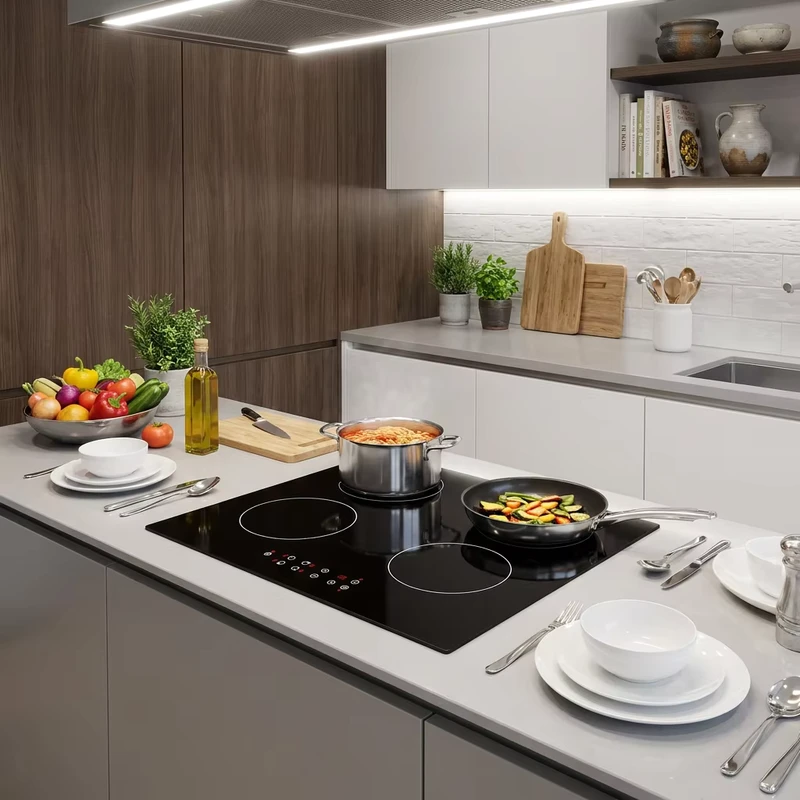
Distinguish the Main Cooking Platforms
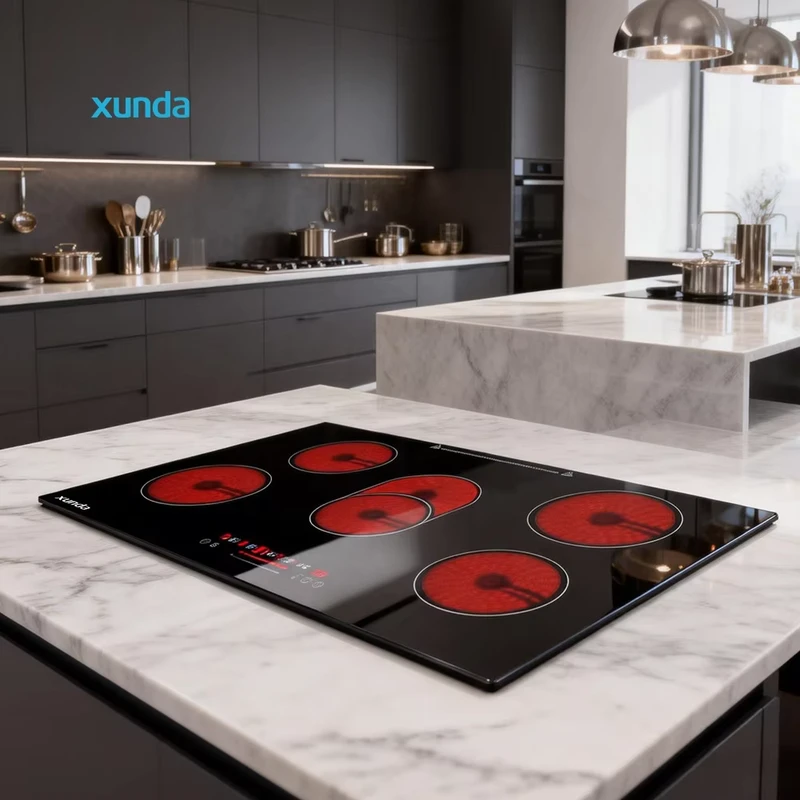
For residential developments and fitted-kitchen programs, the four-zone built-in hob combines a glass surface, sensor touch controls, and a listed 7200 W output. Its Class A efficiency designation, fast heating, and integrated appearance make it relevant to household appliance ranges where clean design and everyday cooking capacity matter.
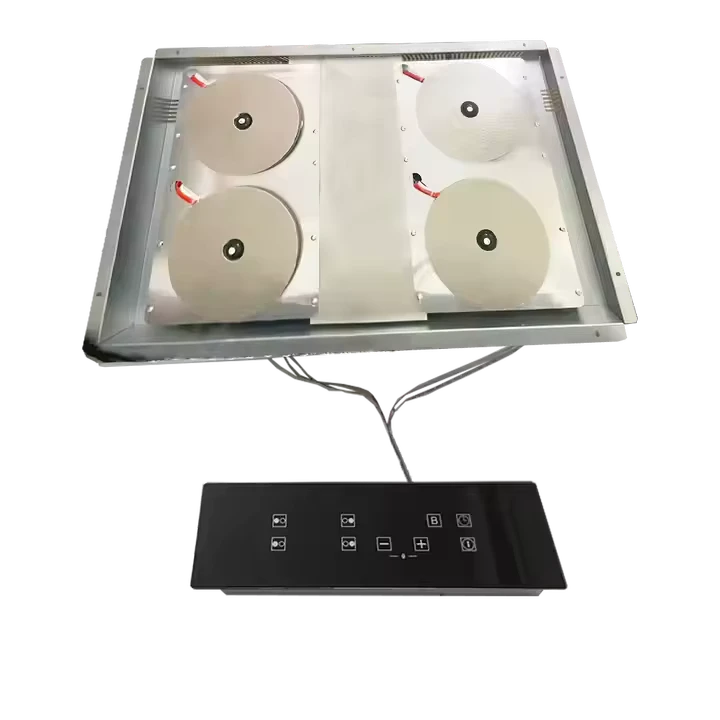
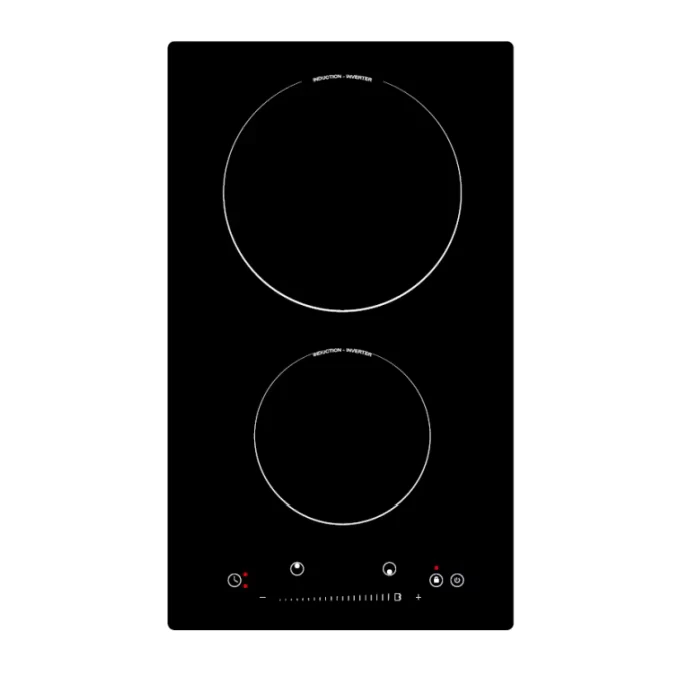
The 8 kW induction hob offers another four-burner option with a glass panel and built-in installation. Temperature adjustment, timer functionality, rapid heating, and stated water protection support broader positioning across household, hospitality, mobile, and selected commercial programs. The higher output also gives buyers a useful specification point for differentiating product tiers.
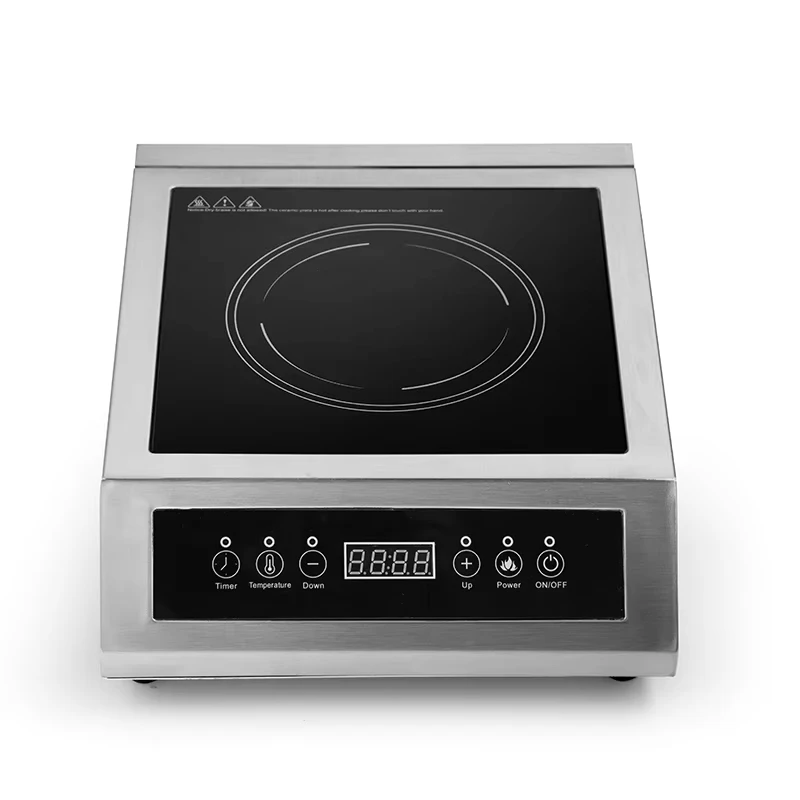
Add a Focused High-Output Station
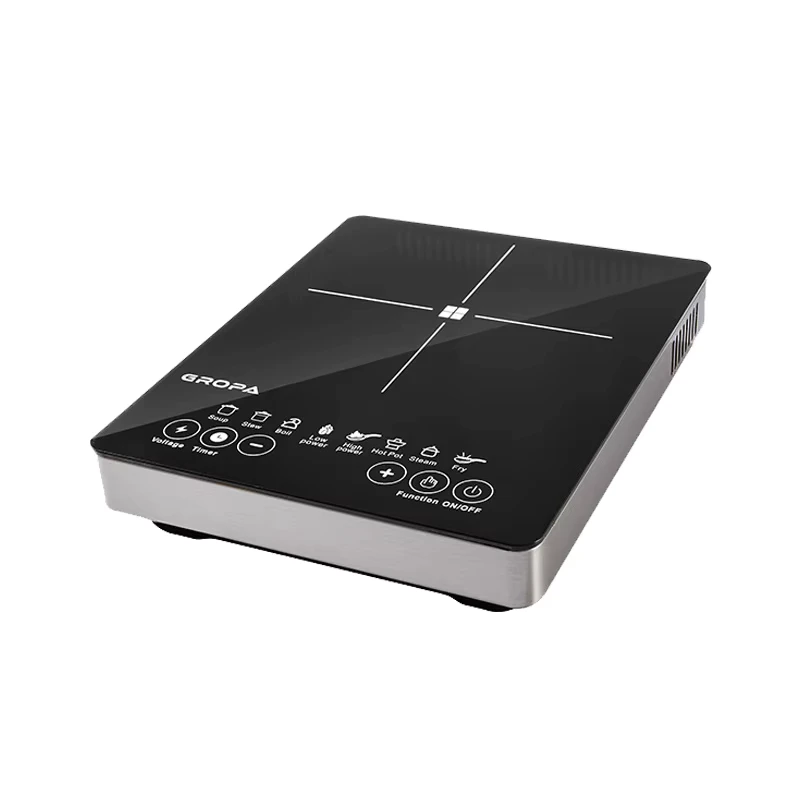
Not every application needs four cooking zones. The single-zone countertop unit provides 3500 W of power, a toughened glass panel, touch control, and stainless steel housing. It can complement hotel, hotpot, catering, or compact commercial equipment ranges where a dedicated heating station is more practical than a full built-in hob.
Before ordering, buyers should confirm local voltage, electrical connection requirements, installation dimensions, control language, packaging, and applicable certification needs. Explore the wider touch-operated hob range, then share your target market, preferred configuration, and purchasing volume to discuss suitable models and supply options.